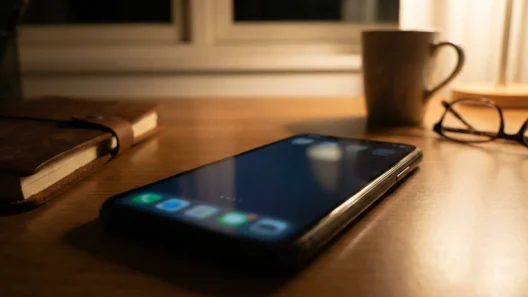



Look at your phone’s home screen. Each icon is more than software—it’s a companion in your daily routine. One app wakes you up in the morning, another tracks your health, one brings you entertainment, another helps you work.
Apps are no longer tools; they are extensions of our lives. But how did lines of code become something so personal, so powerful, that we now can’t imagine a day without them?
“First we build the tools, then they build us.” — Marshall McLuhan
The Rise of the App Economy
The app revolution is barely a decade old, yet its impact is massive. Consider this:
- In 2008, Apple launched its App Store with just 500 apps. Today, there are over 1.8 million.
- Google Play hosts more than 3.5 million apps (Statista, 2023).
- The global mobile app market is projected to reach $407 billion by 2026 (Allied Market Research).
What began as small utilities has turned into a global economy reshaping how we connect, shop, and live.
Apps as Emotional Anchors
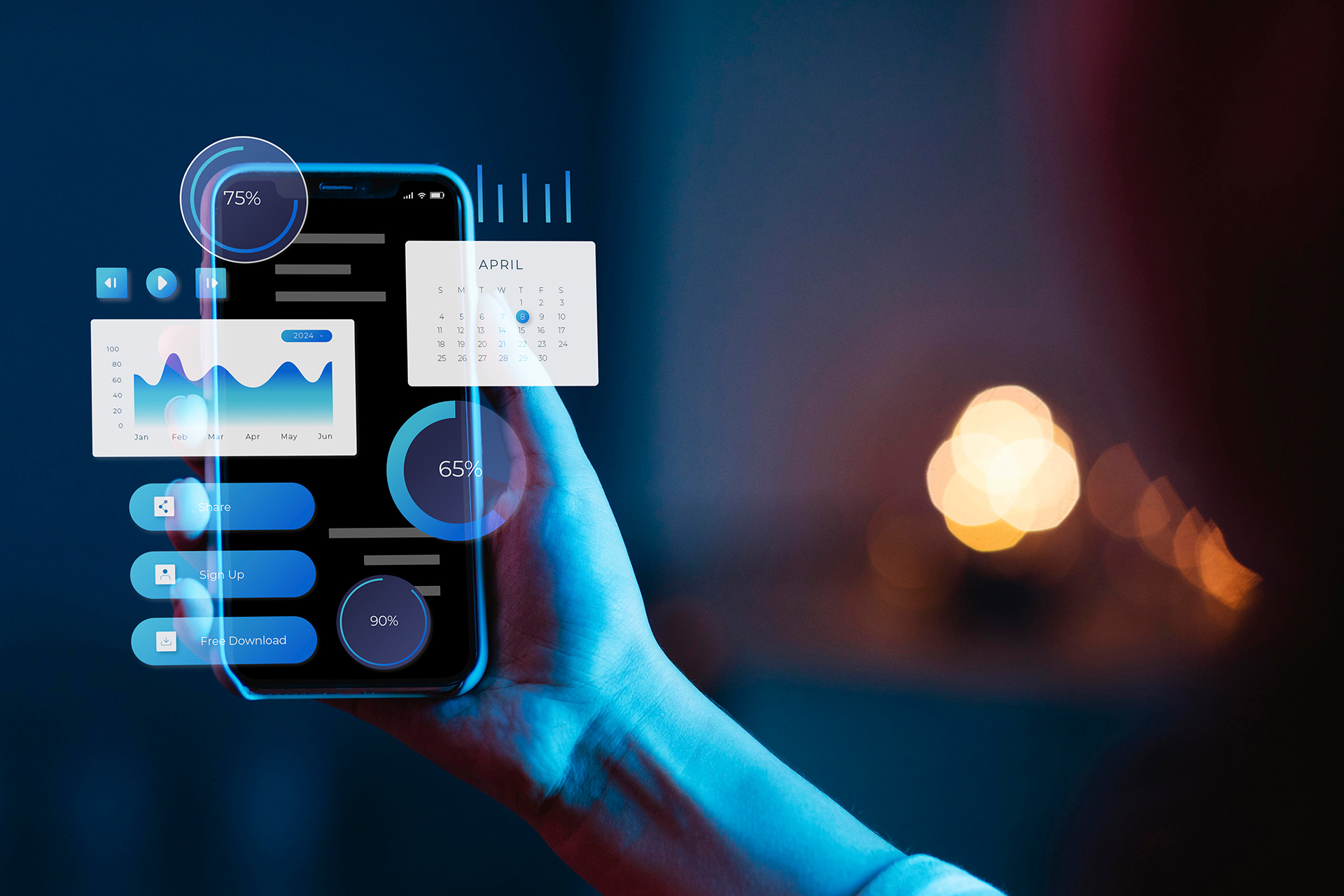
Unlike websites or software suites, apps live in our pockets. They buzz when a friend texts us, guide us when we’re lost, and remind us to drink water. This intimacy makes apps unique—they carry emotional weight.
A poorly designed app doesn’t just frustrate; it breaks trust. A well-crafted app, however, creates loyalty, sometimes even love. That’s why the most successful apps are those that blend usability with empathy.
Design and Performance Matter
Numbers prove that user experience is not optional:
- 70% of users abandon an app if it takes too long to load (Google, 2022).
- Apps with poor UI/UX have 3x higher uninstall rates than well-designed ones.
- Mobile app retention rates drop by 71% within 90 days if user needs are not met (Localytics).
The lesson is clear: performance and design are not luxuries—they are survival.
The Challenge of Staying Relevant
The app landscape is fiercely competitive. Each day, about 3,700 new apps are published on Google Play (Business of Apps, 2023). Most vanish in obscurity.
What separates winners from failures is not just novelty but adaptability. Apps must evolve with user needs, system updates, and market trends—or risk irrelevance.
“Adaptability is not imitation. It means power of resistance and assimilation.” — Mahatma Gandhi
From Utility to Identity
Apps are no longer passive tools. They shape identities, communities, and even movements. Think of how TikTok influences culture, how fitness apps build global communities, or how finance apps change personal habits.
The real power of apps lies not in their code, but in how they weave themselves into the rhythm of human life.
Conclusion: Companions, Not Just Code
Apps are more than digital utilities—they’re companions, shaping our choices, habits, and even emotions. Their success is measured not only in downloads but in the depth of connection they create.
At AMHH, our App Development services focus on building applications that perform, adapt, and connect—turning code into companions that truly matter.