


For years, the conversation around artificial intelligence focused on models, algorithms, and capability. Bigger models. Faster inference. Smarter outputs.
But by late 2025, a different question started to surface — quietly at first, then louder:
Where will all this intelligence live?
Because AI doesn’t run on ideas.
It runs on infrastructure.
And that infrastructure is starting to strain the Earth beneath it.
“When the planet reaches its limits, technology looks up.”
The Hidden Cost of Intelligence
Every AI model has a physical footprint.
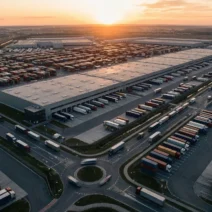
Data centers consume:
- Massive amounts of electricity
- Continuous cooling resources
- Land in politically and environmentally sensitive regions
- Water — often millions of liters per year
As of 2025, global data centers consume more energy than some mid-sized countries.
And suddenly, an idea that once sounded like science fiction became a serious conversation:
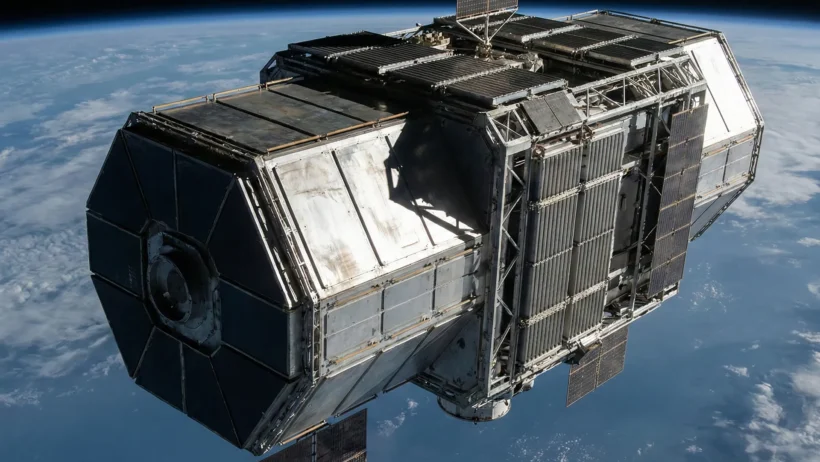
What if data centers didn’t have to stay on Earth?
Why Space Data Centers Are Being Discussed Seriously
At first glance, orbiting data centers sound absurd.
But from an engineering perspective, they solve real problems.
🚀 Natural Advantages of Space
- Unlimited solar energy — no night cycle
- Natural cooling — space is cold by default
- No land usage conflicts
- Isolation from terrestrial disasters
- Reduced geopolitical risk
In low Earth orbit, servers could theoretically operate with:
- Higher energy efficiency
- Lower cooling costs
- Reduced environmental impact
The challenge isn’t imagination.
It’s execution.
The Technical Reality (And Why This Is Hard)
Putting a data center in space isn’t as simple as launching a server rack.
Major obstacles include:
- Radiation shielding
- Hardware maintenance and repair
- Latency and data transfer costs
- Orbital debris risks
- Launch and replacement economics
But here’s the key insight:
AI infrastructure costs are rising faster than launch costs are falling.
What sounded impossible in 2010 sounds strategic in 2025.
Why AI Is Forcing the Conversation
Traditional workloads could tolerate inefficiency.
AI workloads cannot.
Training and running large models requires:
- Continuous power
- Massive parallel compute
- Thermal stability
- Predictable uptime
As AI scales, infrastructure becomes the bottleneck — not algorithms.
Space data centers aren’t about novelty.
They’re about sustainability at scale.
The Human Angle: What This Says About Us
There’s something quietly symbolic here.
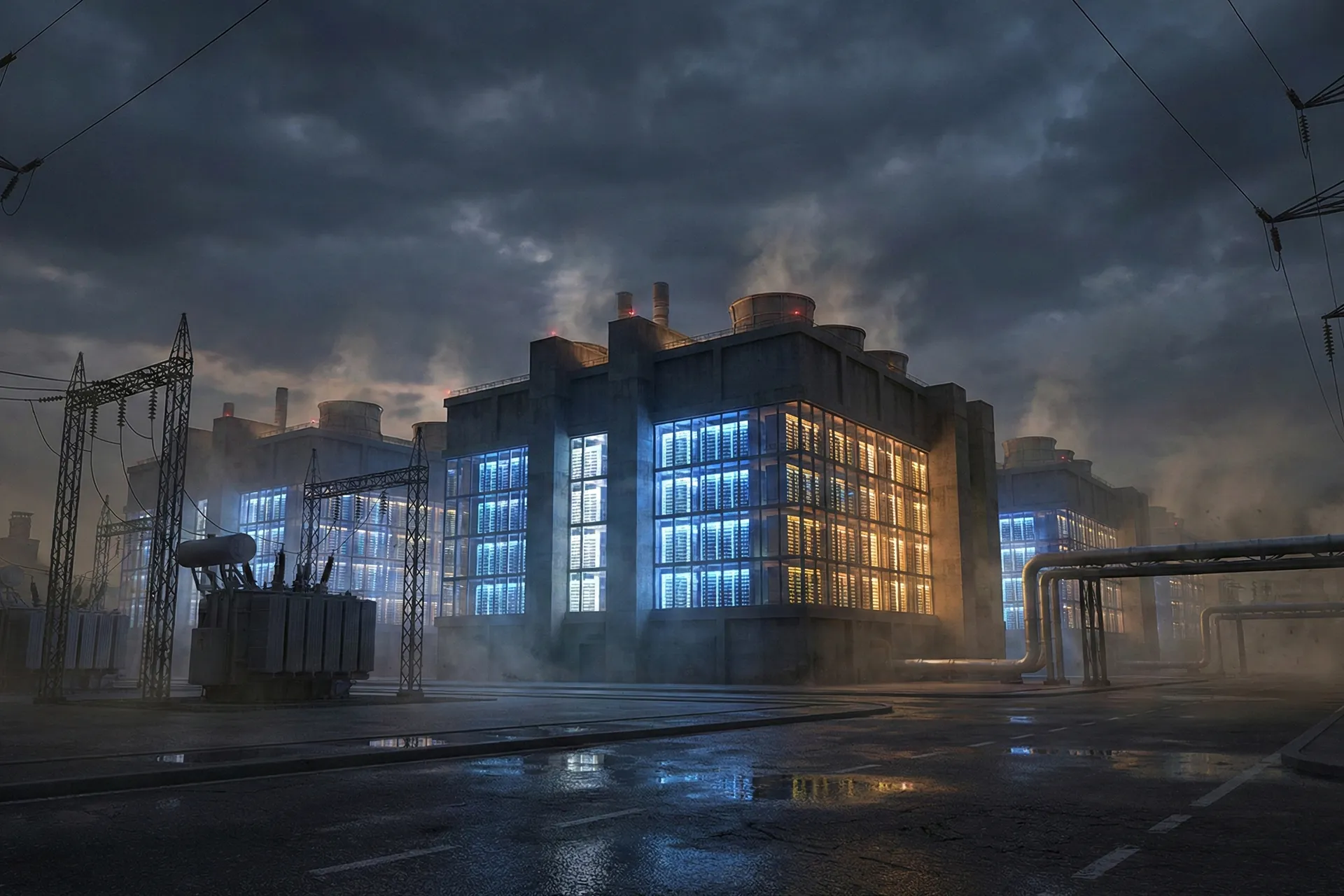
Humanity builds machines so powerful that the planet struggles to host them.
So we look outward — not for conquest, but for capacity.
This isn’t escapism.
It’s adaptation.
And it reflects a deeper truth about technology:
Progress doesn’t stop when systems work — it stops when the environment can’t support them.
Space becomes an option not because we want to leave Earth,
but because we want to protect it.
What This Means for Businesses Today
Most companies won’t run workloads in orbit anytime soon.
But the implications start now:
- Infrastructure efficiency matters more than raw power
- AI systems must be optimized, not just scaled
- Hybrid, distributed, and edge architectures become essential
- Sustainability becomes a competitive advantage
The future belongs to organizations that think about where intelligence lives, not just what it can do.
Conclusion: The Sky Isn’t the Limit Anymore
Space data centers may not arrive tomorrow.
But their emergence tells us something important today.
AI is no longer a software problem.
It’s an infrastructure problem.
And the solutions will come from those willing to rethink the foundations — sometimes all the way beyond the atmosphere.
The future of intelligence might not be grounded.
But its consequences always will be.
At AMHH, we help organizations design scalable, resilient, and future-ready AI infrastructure — from cloud and edge architectures to big data and intelligent systems. Explore our IT & Big Data Solutions to build infrastructure that’s ready for what comes next.