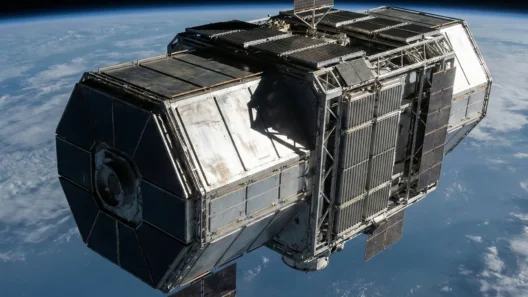


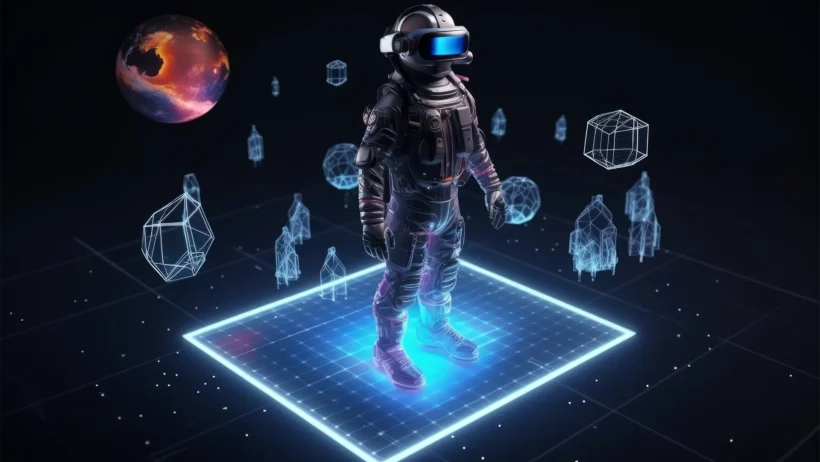

For decades, artificial intelligence has lived behind screens — interpreting text, images, and patterns through flat digital inputs. But as we approach 2026, something fundamental is shifting: AI is stepping beyond two-dimensional interfaces and beginning to understand space.
We’re entering the era of Spatial Intelligence — where machines don’t just “see,” but perceive depth, movement, distance, and relation.
Where AI doesn’t just react to data, but navigates reality.
And the exciting part?
It’s no longer a futuristic concept.
It’s already leaving the lab — and entering factories, homes, vehicles, and even healthcare facilities.

Why Everyone Is Suddenly Talking About Spatial Intelligence
Because real impact happens in physical space.
- Autonomous robots need 3D perception to move safely.
- AR/VR systems require spatial mapping to overlay digital experiences accurately.
- Smart machines in factories must detect hazards, distances, and human presence.
- Retail uses spatial AI to track customer movement and optimize layouts.
- Healthcare robots rely on it for safer patient assistance.
Old AI recognizes objects.
Spatial AI understands how they exist in the world.
And that’s the difference between prediction and presence.
The Numbers Suggest a Major Shift
- Spatial AI technology adoption is expected to grow 42% annually through 2028.
- By 2026, 30% of enterprise AI systems are forecast to have integrated spatial capabilities.
- Companies integrating Spatial Intelligence report 20–40% improvement in automation accuracy and risk prevention.
This is not a niche upgrade — it’s an evolution of how AI connects with the world.
The Human Emotion Behind the Trend
We keep asking: “Could AI one day fully understand us?”
But perhaps the real question is: “Can AI understand where we exist — before it understands who we are?”
When a robot moves through a home without crashing into a chair…
When a digital assistant overlays guidance onto real environments…
When a warehouse AI navigates around workers instead of ignoring them…
We feel trust.
Not because the machine is intelligent — but because it is aware.
And in technology, awareness builds safety, and safety builds adoption.
Spatial Intelligence & Your Business: Why Now?
2026 will belong to those who connect physical and digital layers. No more siloed 2D data models. No more “screen-only” thinking.
This transition requires synergy between:
✔ AI development
✔ Mobile & web platforms
✔ Big data pipelines
✔ App & IoT integration
✔ Robotics and automation
✔ Cybersecurity (spatial = more sensors = more risk)
Spatial Intelligence isn’t just a new way to compute.
It’s a new way to design systems — as if they live in our environment.
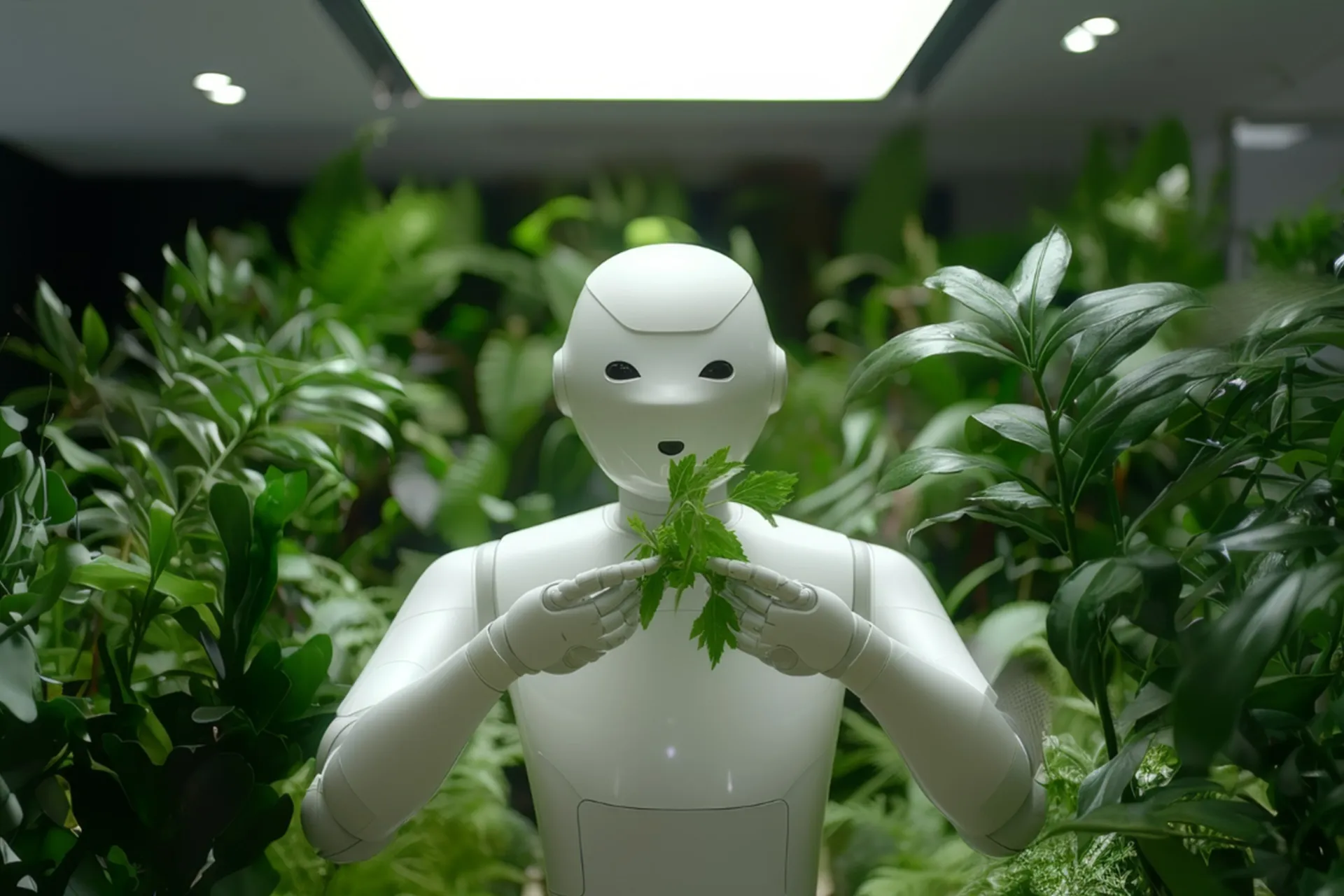
Conclusion: The Future Has Depth
Artificial intelligence is evolving from annotation to interaction.
2023: AI interpreted words.
2024: It generated content.
2025: It began making decisions.
2026: It starts understanding the space we live in.
The next revolution isn’t just smarter machines — it’s machines that understand where they are.
And that’s not technology replacing humanity.
That’s technology finally learning to live alongside us.
At AMHH, we help organizations build AI-driven systems capable of understanding and interacting with the physical world. Discover how our AI Development Services can support your transition into Spatial Intelligence.