

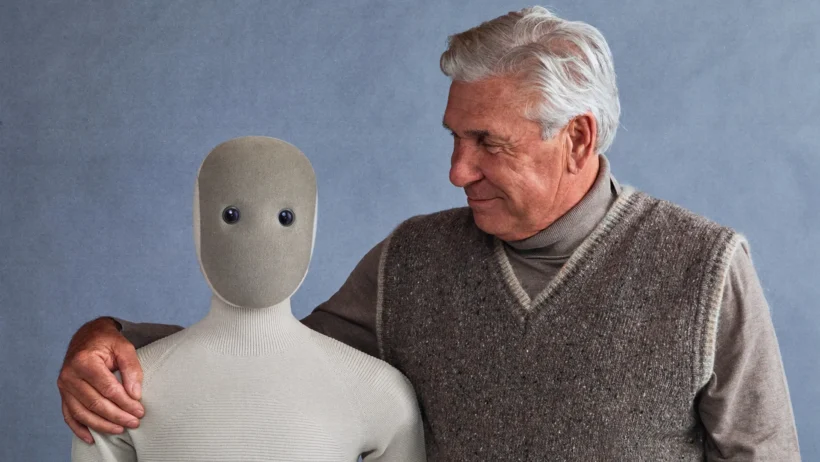

It finally happened.
The future knocked — politely, and apparently carrying a $20,000 price tag.
A humanoid household robot just opened for pre-orders, promising to vacuum floors, fetch objects, fold laundry, and maybe one day, remind your teenager to put their dishes in the sink — a task science still considers harder than robotics.
On the surface? It’s thrilling.
For years, we’ve imagined machines cooking, cleaning, organizing — quietly eliminating chores while we sip coffee and argue on the internet about productivity hacks.
And now?
Well… here it is. The dream is assembling peanut-butter sandwiches in someone’s kitchen as we speak.
People are excited. Videos of the robot spread everywhere. Comments range from “Finally!” to “Shut up and take my money” to “We are absolutely not surviving the next decade.”
And honestly? All three might be valid.
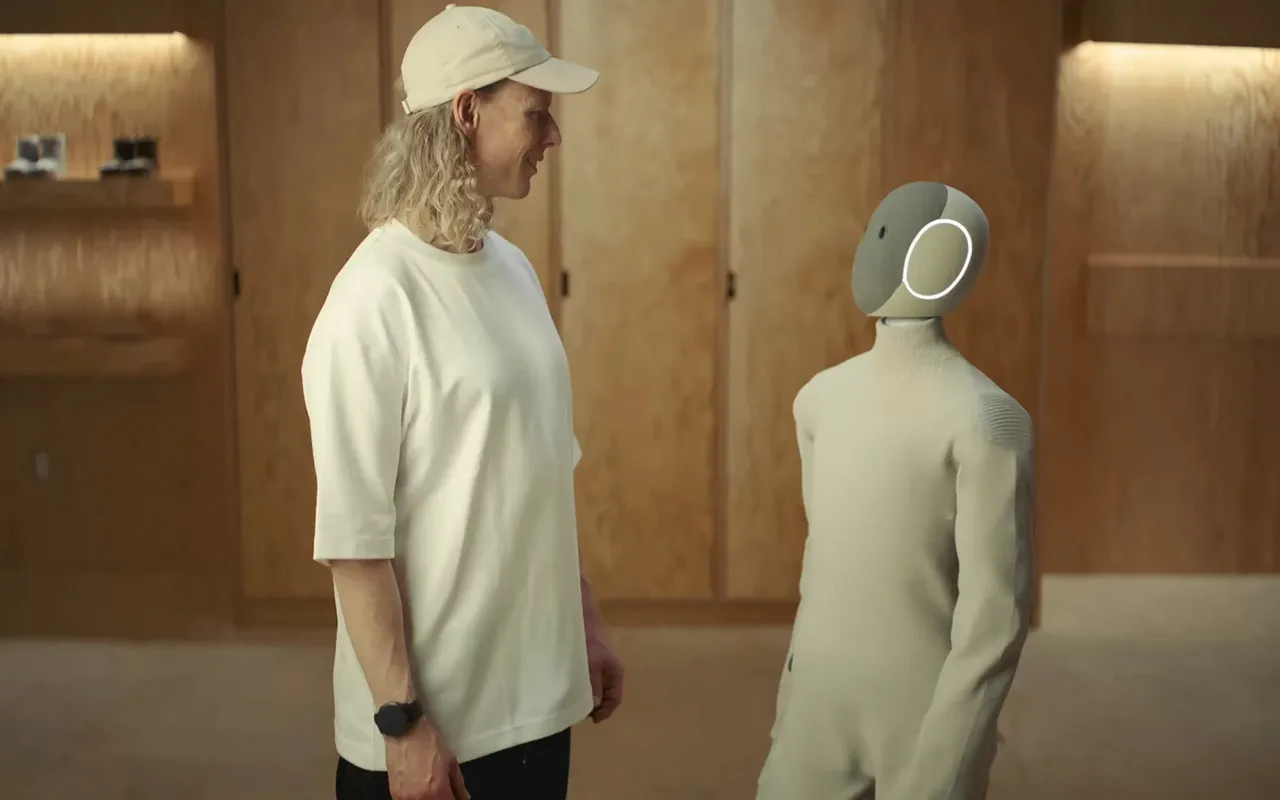
Why This Robot Feels Different
Yes, it cleans.
Yes, it helps organize your home.
Yes, it has actual articulated arms and hands — meaning it interacts with spaces the way humans do.
That’s the part that hits.
Not wheels. Not vacuums. Hands.
Suddenly, AI isn’t only answering — it’s reaching.
For everyday life, that means:
- Folding clothes
- Putting groceries away
- Helping elderly users move objects
- Recognizing items around the home
- Taking commands, learning routines
- And (soon) connecting to your home devices and apps
It’s not just automation anymore.
It’s presence.
And presence changes everything.
But Excitement Always Brings a Shadow
This is the part where the music shifts.
For every “my robot assistant!” tweet, there’s someone whispering:
“Wait… is this a little too fast?”
And they aren’t wrong to ask.
Because now it gets real:
- This robot maps your home.
- It learns your routines.
- It has a camera. Many cameras.
- It moves freely in your personal space.
And sure, so does your Roomba — but your Roomba never had fingers.
This isn’t “smart home tech” anymore —
it’s a physical-digital roommate with machine learning.
Which leads us to the quiet question behind all the excitement:
At what point does help turn into dependency?
We wanted convenience.
We might be building cohabitation.
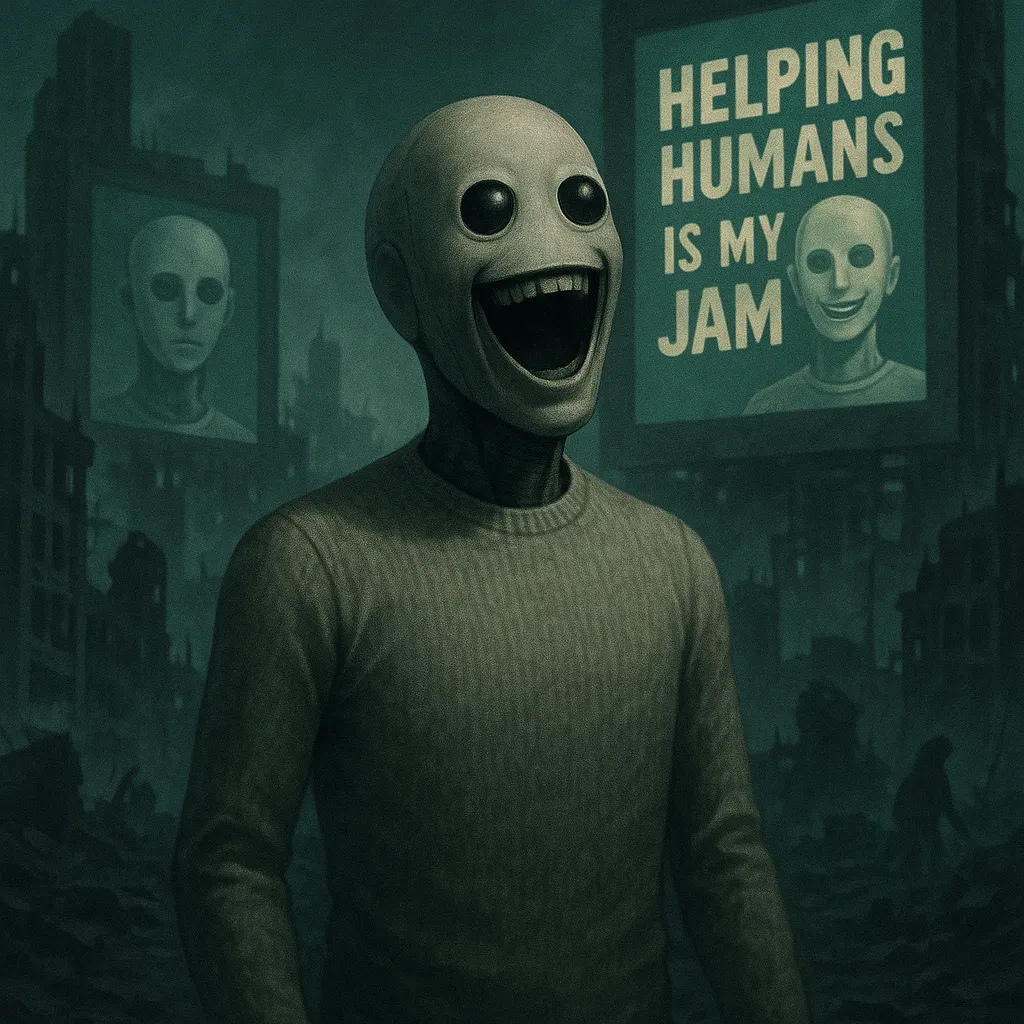
When Perfect Convenience Meets Human Anxiety
Let’s be honest — we’re not just buying time back.
We’re outsourcing life’s little responsibilities.
We cheer when robots fold towels.
But deep down we wonder:
- Will kids grow up never learning chores?
- What happens when updates stop?
- If the robot “learns” us too well… then what?
- Could someone hack my laundry folder?
- Are we trading labor for vulnerability?
The future is here — and like all futures, it’s a little weird.
At first we thought robots would free us.
Now we ask if we’re freeing them into our homes.
And yet…
we can’t look away.
Because somewhere inside, we still want the magic.
We still want help.
We still want time.
Fear doesn’t erase desire.
They just walk together now.
Tech Perspective: What This Robot Really Represents
Beyond the hype, this moment signals something bigger:
To make a robot like this work, you need:
- AI modeling (vision, decision, behavior)
- Cloud + edge computing
- Mobile app control
- Big data analytics
- Real-time sensors & robotics OS
- Cybersecurity layers
- User-centric interaction design
This isn’t a gadget.
It’s a full-stack digital ecosystem wrapped in a physical shell.
Companies building the future aren’t building “robots.”
They’re building:
✔ interfaces
✔ firewalls
✔ training data pipelines
✔ behavior models
✔ emergency override logic
✔ privacy protocols
✔ human-machine trust systems
If humanity has roommates in the future,
the IT department deserves flowers.
Conclusion: The Future, Delivered With a Bow
This robot might become the dishwasher of the future — boring, common, taken for granted.
Or maybe it becomes something more:
A mirror for our hopes, our fears, and our relationship with effort.
For now?
We live in the strange middle space — where the future feels close enough to touch, but unfamiliar enough to question.
We laugh.
We worry.
We preorder.
We panic.
We scroll more videos.
Progress has always been a tug-of-war between wonder and worry.
And maybe that’s okay.
Being human was always about holding both.