




We often talk about cybersecurity in terms of firewalls, encryption, and multi-factor authentication. But beneath the technical layers lies something profoundly human: fear.
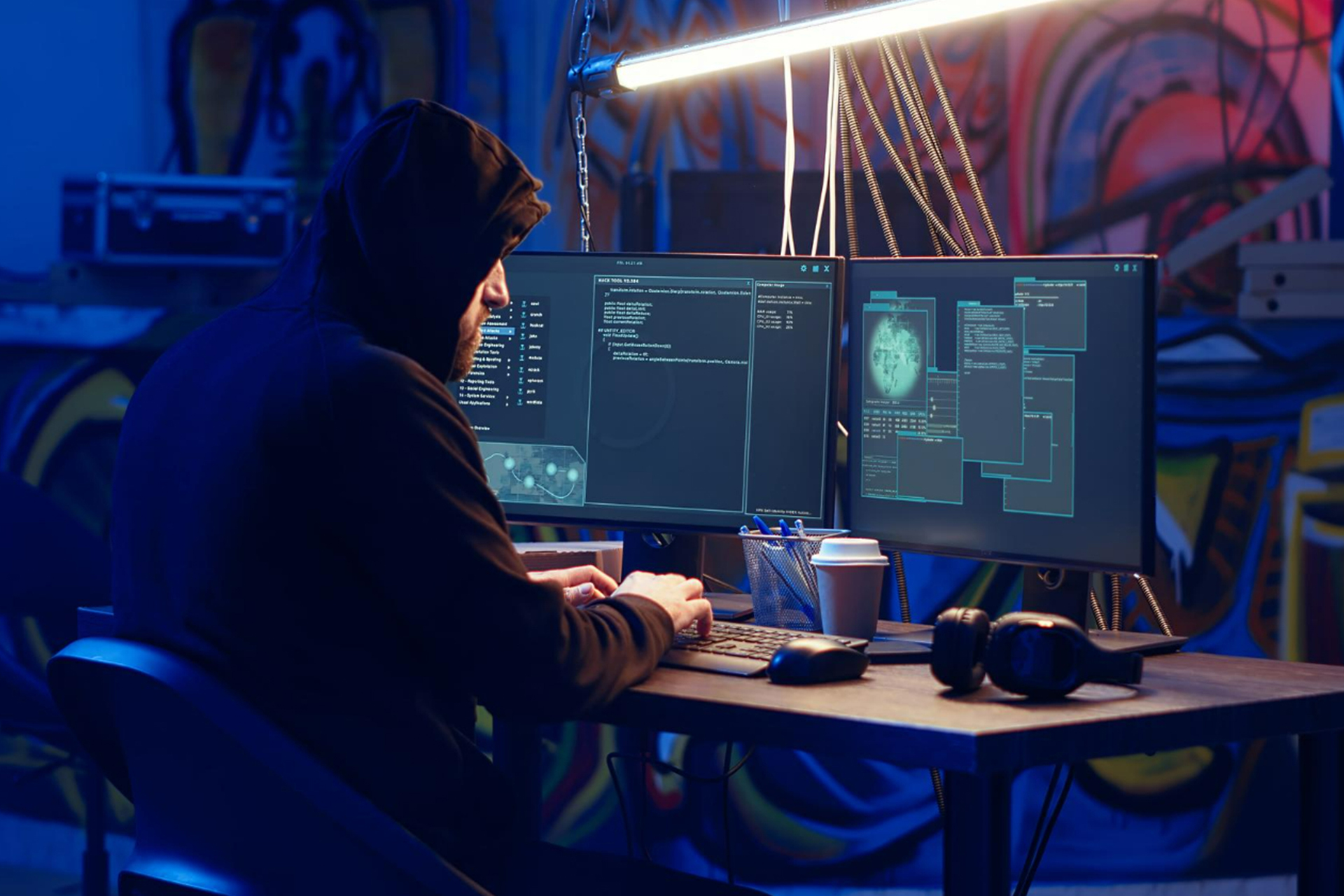
Fear of losing one’s identity. Fear of betrayal by unseen hackers. Fear of waking up one morning to discover that everything has vanished.
“The greatest weapon of the cyber attacker is the psychology of fear.” — Anonymous
Cybersecurity isn’t just about protecting data; it’s about protecting peace of mind.
Why Cybersecurity Feels Personal
Unlike a broken machine or a faulty app, a cyberattack feels like an invasion. Someone, somewhere, decided to break into your space. This transforms a technical incident into an emotional wound.
According to a 2022 survey by Norton, 60% of users who suffered identity theft reported long-term anxiety, and 41% lost trust in online services altogether. A hack is never just about money—it’s about dignity.
The Trust Economy
Every digital transaction, whether it’s a bank transfer or an online message, rests on trust. When that trust collapses, economies and relationships collapse with it.
- Global cybercrime damages are projected to hit $10.5 trillion annually by 2025 (Cybersecurity Ventures).
- Businesses that experience a major data breach lose on average 38% of customer trust, a gap that can take years to rebuild (PwC, 2023).
The emotional cost of insecurity far exceeds the financial numbers.
Human Error and Vulnerability
Ironically, the weakest link in cybersecurity is not the technology—it’s us. Studies show that 95% of breaches involve human error (IBM, 2021). Clicking on a phishing email, reusing a password, trusting the wrong attachment.
This vulnerability triggers guilt. Victims often blame themselves, creating a cycle of fear and shame that discourages them from seeking help. Cybersecurity must therefore address not just systems but also psychology.
Security as Comfort
The most effective cybersecurity doesn’t just block attacks—it reassures people. Just as a sturdy lock on a door makes you sleep better at night, strong digital protection makes you braver online.
Organizations that invest in transparent communication and visible protection tools report higher employee confidence and customer loyalty. Security, in this sense, is not only technical; it is emotional design.
“Safety is not a gadget but a state of mind.” — Eleanor Everet
Toward a Human-Centered Cybersecurity
If cybersecurity strategies ignore the human side, they will always remain incomplete.
What we need is a model where:
- Users feel empowered, not guilty.
- Protection is visible enough to inspire confidence.
- Education and awareness are as central as firewalls and passwords.
Cybersecurity is not just about keeping the bad out—it’s about giving people the courage to move forward.
Conclusion: Security Beyond Technology
At its heart, cybersecurity is about protecting people, not just data. The systems we build should shield both information and emotions, because fear can be as paralyzing as theft itself.
At AMHH, our IT Solutions approach combines robust technology with human-focused design, ensuring organizations feel safe, supported, and confident in the digital world.