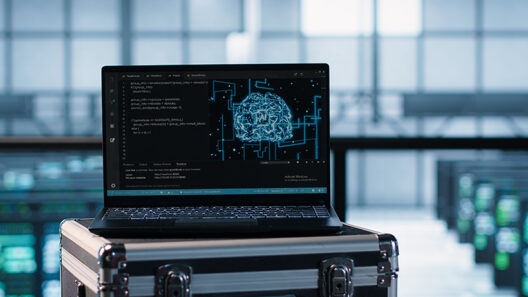



Innovation is a race without a finish line. The moment one breakthrough happens, another is already on the horizon. The smartphone you bought last year feels outdated today, and the “latest” software update is already preparing to be replaced.
This constant cycle is exhausting—and exhilarating. It reflects not only technological momentum but also something deeply human: our relentless desire to improve, to go further, to ask what’s next?
“The reasonable man adapts himself to the world; the unreasonable one persists in trying to adapt the world to himself. Therefore all progress depends on the unreasonable man.” — George Bernard Shaw
Innovation by the Numbers
The pace of innovation today is unlike anything in history:
- Global R&D spending reached $2.4 trillion in 2022 (UNESCO).
- The average lifespan of S&P 500 companies has dropped from 61 years in 1958 to just 18 years today (Innosight), driven by disruptive innovation.
- Nearly 92% of executives believe their business model must change within the next three years to remain competitive (Accenture, 2023).
Innovation is not an option—it’s survival.
The Human Drive to Create
Technology is a mirror of human restlessness. From the wheel to quantum computing, each invention begins with dissatisfaction: “This can be better.”
But innovation is not just efficiency—it’s identity. Entire cultures define themselves through invention: Silicon Valley thrives on disruption, while Japan prides itself on precision and craftsmanship. Each innovation tells a story of human values.
The Emotional Cost of Constant Change
Yet the race has a price. Employees face “innovation fatigue,” overwhelmed by endless new tools and processes. Consumers experience “upgrade anxiety,” always feeling behind.
A Deloitte survey found that 56% of employees feel technology changes faster than they can keep up with. Innovation inspires, but it also pressures.
Balancing excitement with empathy is essential. Innovation must not only push boundaries but also respect human limits.
Innovation as Collective Power
Great innovation rarely happens in isolation. It thrives in ecosystems—universities, startups, governments, and corporations working together.
- The COVID-19 vaccines, for example, were developed in record time not because of one lab, but because of unprecedented global collaboration.
This collective effort shows that innovation isn’t just about speed—it’s about connection.
Why Innovation Never Sleeps
Technology doesn’t pause, because human imagination doesn’t pause. There will always be a new problem to solve, a new boundary to cross. The “race” is not against each other but against stagnation.
The challenge for businesses is to transform this endless race into sustainable momentum: innovating fast enough to stay ahead, but wisely enough to avoid burnout.
Conclusion: Running With Purpose
Innovation is restless by nature, but restlessness can be guided. The question is not whether to run, but how to run—with purpose, direction, and humanity.
At AMHH, our innovation-driven approach ensures that organizations don’t just run the race of technology, but run it wisely—turning disruption into sustainable growth.