




When people imagine war, they still picture tanks, fighter jets, and missiles cutting through the sky.
But long before the first missile is launched, another battle usually begins — quietly, invisibly, and often unnoticed by the public.
It happens inside networks.
Modern conflicts are no longer fought only on land, sea, or air. A fourth battlefield has emerged over the past two decades: the digital domain. And in many cases, the outcome of the physical conflict is already being shaped there.
The War Before the War
In the past, wars started with a declaration or a visible military move. Today, they often begin months or even years earlier through digital infiltration.
State-sponsored cyber operations probe power grids, communication systems, satellite infrastructure, financial networks, and government databases. The goal is not always immediate destruction. Often it is simply access.
Access means leverage.
Once inside a system, attackers can observe how a country operates: how electricity flows, how logistics move, how emergency responses are triggered. This information becomes a strategic asset long before any physical confrontation occurs.
In many modern conflicts, the first stage of warfare is not an explosion — it is a login.

Infrastructure as a Target
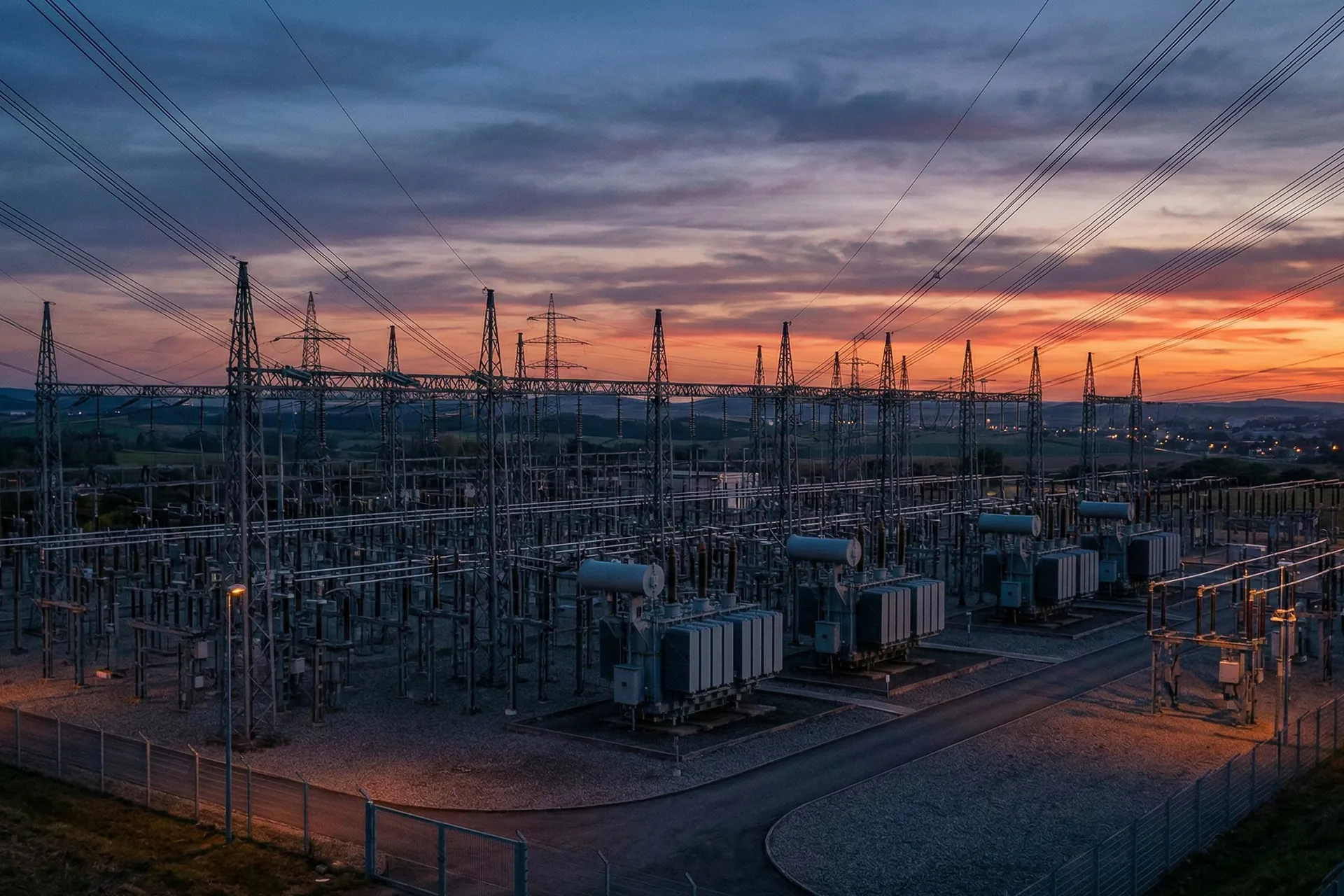
One of the most important lessons from recent geopolitical tensions is that critical infrastructure has become a primary digital battlefield.
Power distribution systems.
Transportation networks.
Telecommunications backbones.
Water treatment facilities.
These systems were not originally designed with cyber warfare in mind. Many were built decades ago, long before interconnected networks became standard. Yet today they operate in environments where sophisticated digital attacks are possible.
Disrupting these systems can create chaos without firing a single shot.
A city without electricity for twelve hours can experience more disruption than a limited military strike.
Information as a Weapon
Cyber warfare is not limited to infrastructure. Information itself has become a strategic tool.
Modern conflicts involve waves of digital campaigns designed to influence perception:
- coordinated misinformation
- manipulated social media narratives
- psychological operations targeting public sentiment
The goal is rarely to convince everyone. The goal is to create confusion.
In a confused society, decision-making slows. Trust weakens. Institutions struggle to maintain credibility. And that uncertainty becomes a strategic advantage for whoever is shaping the narrative.
The battlefield, in this sense, extends far beyond borders. It enters smartphones, timelines, and conversations.

The Hidden Engineers of Modern Conflict
Behind every digital conflict are highly specialized teams: cybersecurity analysts, network engineers, satellite communication experts, and data specialists.
Their work rarely appears in headlines. Yet it plays a critical role in modern geopolitics.
Defending national systems now requires constant monitoring, rapid response mechanisms, and resilient infrastructure capable of withstanding digital disruption.
In this environment, cybersecurity becomes less about protecting data and more about protecting societal stability.

The Uncomfortable Reality of Digital Warfare
The most unsettling part of digital conflict is how invisible it can be.
Missiles leave craters.
Cyber operations often leave silence.
A disrupted system might look like a technical failure. A network slowdown might seem like routine maintenance. The boundary between accident and attack becomes difficult to identify.
This ambiguity makes digital warfare uniquely dangerous. It operates in a gray zone where escalation can happen without clear signals.
Technology and Responsibility
Technology itself is neutral. Networks, data systems, and digital infrastructure are tools created to connect people, accelerate knowledge, and improve everyday life.
But like all powerful tools, they can be used in ways their creators never intended.
As digital systems become more deeply embedded in global infrastructure, the responsibility to protect them grows equally large. Engineers, policymakers, and companies alike are now part of a broader effort to ensure that technology strengthens societies rather than destabilizes them.
A Quiet Hope Beyond the Battlefield
History often focuses on the weapons used in wars. Yet the most meaningful progress usually happens after the conflicts end.
The same technologies that can disrupt power grids can also rebuild them. The same networks that carry propaganda can carry truth. The same data systems used for strategic advantage can support humanitarian coordination and disaster response.
If the digital age has introduced new forms of conflict, it has also introduced new possibilities for cooperation.
And perhaps the most important lesson is this:
The most powerful technology is not the one that wins wars.
It is the one that helps prevent them.
#SayNoToWar