

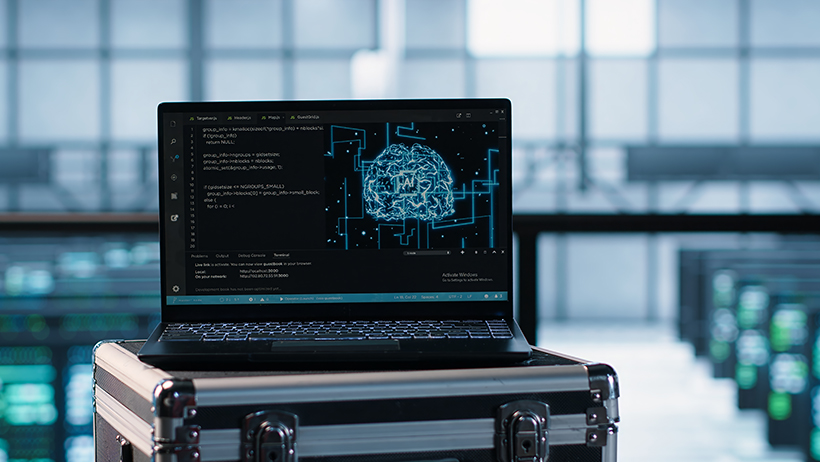

Artificial Intelligence fascinates us because it feels like watching a reflection of ourselves. When machines learn, recognize patterns, and even generate creative outputs, we cannot help but ask: What does this say about us?
AI doesn’t just challenge our industries—it challenges our identity. Every leap in machine learning is also a question about human learning: our strengths, our limits, our unique place in a world we share with intelligent systems.
“The question is not whether intelligent machines can have emotions, but whether machines can be intelligent without them.” — Marvin Minsky
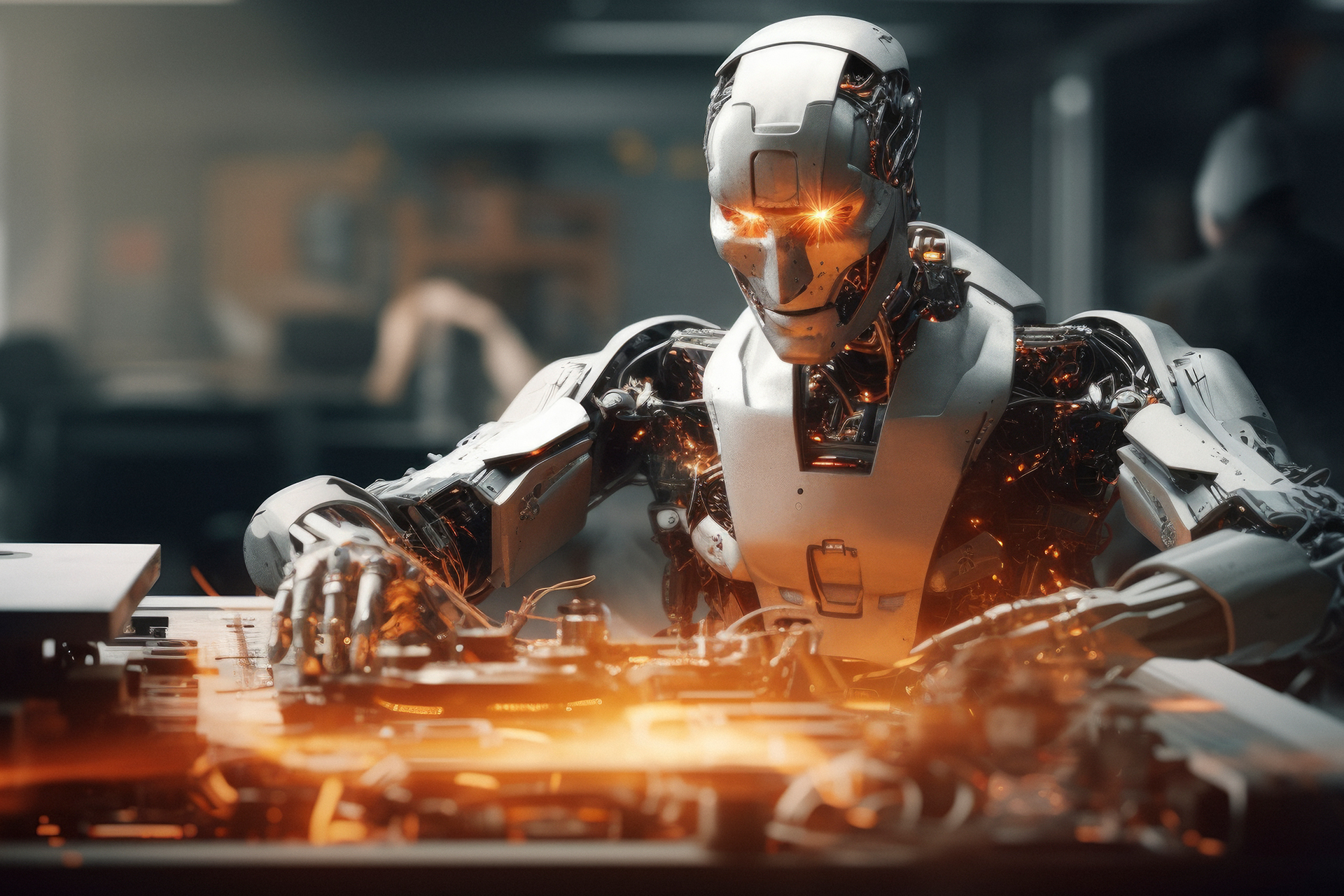
The Mechanics of Machine Learning
At its core, machine learning is about feeding algorithms data and letting them improve over time.
- Google Translate processes over 100 billion words per day, improving constantly by analyzing user input.
- DeepMind’s AlphaZero taught itself chess in 4 hours and outperformed world-class engines that took decades to build.
Machines learn fast because they do not tire, forget, or get distracted. But this speed raises another question: What are we learning in parallel?
Human Learning vs. Machine Learning
Human learning is slow, messy, emotional. We learn through mistakes, stories, relationships. Machines learn statistically, optimizing for accuracy.
For example, humans need 10,000 hours of practice to master a skill (Malcolm Gladwell’s rule of thumb), while a machine might process millions of simulations in hours. But unlike us, machines don’t feel joy at success or pain at failure.
This difference highlights what makes human learning uniquely valuable: emotion, meaning, and context.
The Mirror Effect
AI reveals our blind spots.
- When facial recognition systems fail with darker skin tones, it exposes bias in the datasets humans created.
- When chatbots echo toxic comments, they reflect the toxicity of human communication.
Machines show us the parts of ourselves we often ignore. In this sense, AI doesn’t just learn—it teaches.
Shared Growth
Interestingly, the more machines learn, the more humans are forced to rethink education, creativity, and even work.
- Schools are shifting toward critical thinking and problem-solving, skills machines can’t replicate.
- Businesses are emphasizing human creativity as AI takes over repetitive tasks.
The partnership between human and machine learning pushes us to evolve. We don’t stop learning; we learn differently.
“Education is not the learning of facts, but the training of the mind to think.” — Albert Einstein
Beyond Competition
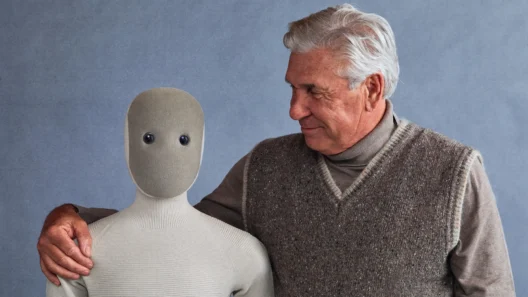
It’s tempting to see AI as a competitor. But framing it this way is shortsighted. Machines don’t learn instead of us; they learn with us. The real challenge is how we adapt and find balance between efficiency and meaning.
Conclusion: The Dual Learning Curve
When machines learn, they reveal both the possibilities of technology and the responsibilities of humanity. They remind us that intelligence is not just about processing—it’s about purpose.
At AMHH, our AI Development services focus on building technologies that learn in ways that support human growth, ensuring progress enhances—not replaces—our learning journey.