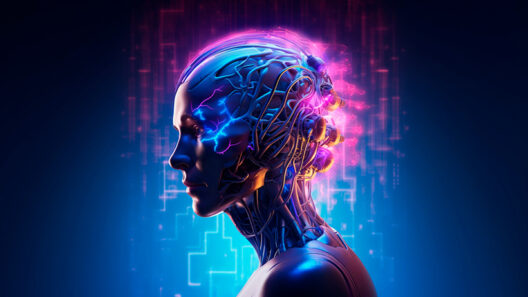




Technology has always been a double-edged sword. Every breakthrough carries both promise and uncertainty. Electricity once frightened entire towns. The internet was ridiculed before it became essential. And now, artificial intelligence and blockchain spark both fascination and fear.
This paradox—being drawn to what we fear—is deeply human. We hesitate, we question, but ultimately, we move forward.
“The future belongs to those who prepare for it today.” — Malcolm X
Section 1: Fear as a Survival Mechanism
Fear is not weakness; it is instinct. Psychologists describe it as a mechanism designed to protect us from the unknown. When faced with technologies we don’t fully understand, our hesitation is natural.
But history shows that fear rarely wins. Over time, what was once strange becomes mundane. Electricity stopped being terrifying; smartphones became extensions of ourselves. Technology normalizes when it proves its value.
Section 2: Hope Is Stronger Than Fear
If fear pushes us back, then hope pulls us forward. People adopt new technologies not because they are flawless, but because they carry the possibility of making life better—safer, easier, or more meaningful.
Think about medical AI that detects diseases earlier than any doctor could. Or financial systems that bring stability to those excluded from traditional banking. These innovations don’t erase fear, but they offer something stronger: hope.
“Hope is being able to see that there is light despite all of the darkness.” — Desmond Tutu
Section 3: The Emotional Layer of Technology
What makes us truly embrace technology isn’t its raw efficiency—it’s the way it makes us feel. A machine that listens, a platform that is intuitive, an application that anticipates needs before we even speak them.
This emotional layer is often overlooked, yet it is the deciding factor between distrust and adoption. People don’t remember technical specifications; they remember whether the technology gave them confidence or confusion.
Section 4: Trust as the New Currency
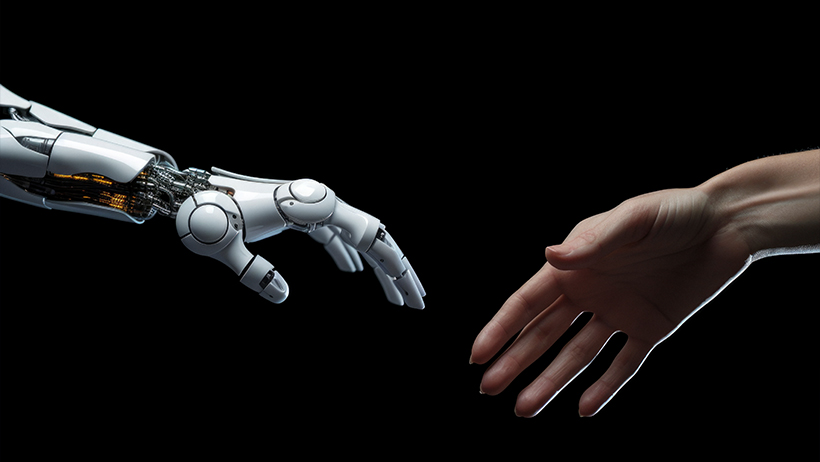
The real measure of progress isn’t just innovation—it’s trust. Trust is what allows a family to let AI guide medical decisions, or a company to rely on blockchain for secure transactions. Without trust, even the most advanced systems collapse into irrelevance.
Trust is fragile, but once established, it becomes the fuel of transformation. It is the invisible foundation of every successful technology.
Conclusion: Running Towards Tomorrow
We fear. We hope. And still, we move forward. That’s the eternal rhythm of humanity’s relationship with technology. Fear may be natural, but progress is inevitable—because curiosity and hope will always outweigh hesitation.
At AMHH, we recognize this truth. That’s why our AI Development services are built not only on innovation but on trust—ensuring that the future we run towards is one worth believing in.